

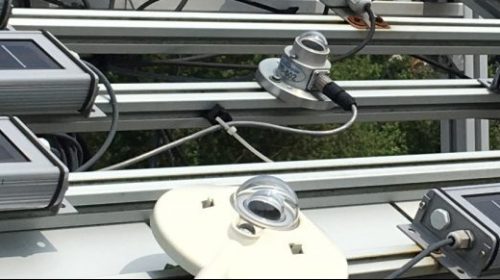
Proper installation of irradiance sensors is critical for accurate solar radiation measurement and optimal performance in solar projects. These sensors provide essential data for monitoring solar panel output, optimizing system efficiency, and supporting research and energy forecasting. Without correct placement and setup, the readings from an irradiance sensor may be inaccurate, which can negatively impact energy production and operational decisions. Understanding the key installation considerations is vital for both small-scale and large-scale solar projects.
Before installation, it is important to choose a high-quality device that meets the specific needs of your project. The Irradiance Sensor is a reliable option, offering precise measurements and durable construction suitable for outdoor environments. Selecting a sensor with proper calibration, spectral response, and temperature stability ensures accurate readings that reflect actual sunlight intensity. Once the right sensor is chosen, proper installation practices must be followed to maximize performance and longevity.
Table of Contents
ToggleSelecting the Ideal Location
The placement of an irradiance sensor directly influences its accuracy. It should be installed in an area that is free from shading caused by trees, buildings, or other structures. Even partial shading can result in significant errors in solar radiation measurements. For solar farms, the sensor should be positioned away from obstructions and at the same height as the solar panels to capture representative sunlight data. In residential installations, the roof or an open area with clear sky access is typically the best location.
Ensuring Proper Orientation and Tilt
Orientation and tilt are critical factors when installing an irradiance sensor. Most sensors should be mounted horizontally to measure the total global horizontal irradiance accurately. For systems using solar tracking, additional adjustments may be required to ensure the sensor aligns with the panels or tracking system. Accurate alignment allows the sensor to provide reliable readings that correspond closely to the solar panels’ energy production, improving system monitoring and optimization.
Secure Mounting and Stability
A stable and secure mounting structure is essential for long-term performance. Vibrations, wind, and other environmental factors can affect sensor readings if the device is not properly secured. Use durable brackets or mounting poles designed to withstand outdoor conditions. For large solar installations, consider using corrosion-resistant materials to prevent degradation over time. Ensuring that the sensor remains stable and level minimizes errors caused by movement or tilting.
Cable Management and Electrical Connections
Proper cable management is necessary to protect the sensor and ensure reliable data transmission. Avoid routing cables where they can be damaged by weather, animals, or foot traffic. Use conduit or protective tubing to shield the wiring from environmental hazards. Additionally, check that all electrical connections are secure and compliant with manufacturer specifications. Poor connections can lead to signal loss, noise, or inaccurate measurements, affecting the overall monitoring system.
Calibration and Verification
After installation, it is important to verify the sensor’s calibration. Even high-quality sensors may require adjustment to ensure accuracy in specific environmental conditions. Some models come factory-calibrated, but periodic verification against reference instruments is recommended, especially for research projects or large-scale solar farms. Regular calibration checks help maintain data reliability and enhance confidence in energy production analysis.
Environmental Considerations
Environmental factors can influence irradiance sensor performance. Consider the potential impact of temperature extremes, precipitation, dust, and snow when selecting and installing the sensor. Some sensors feature protective housings or coatings to mitigate environmental effects. Regular cleaning may also be necessary to prevent dirt, bird droppings, or snow from obstructing the sensor surface, which can lead to measurement errors.
Integration with Monitoring Systems
An irradiance sensor is most effective when integrated with a solar monitoring system or data logger. Ensure that the installation location allows for easy connection to these systems, considering both cable length and signal compatibility. Proper integration allows for real-time monitoring, energy forecasting, and system optimization, enhancing the efficiency and reliability of the solar project.
Routine Maintenance and Inspection
After installation, routine maintenance is essential to sustain sensor performance. Periodic inspections should include checking for physical damage, cleaning the sensor surface, verifying cable integrity, and ensuring proper alignment. Regular maintenance minimizes errors and prolongs the lifespan of the sensor, contributing to consistent and accurate solar radiation data.
Conclusion
Installing an irradiance sensor correctly is essential for obtaining precise solar radiation measurements and maximizing the efficiency of solar energy systems. Key considerations include selecting the right sensor, choosing an optimal location, ensuring proper orientation, secure mounting, cable management, calibration, and environmental protection. Integration with monitoring systems and routine maintenance further enhances performance and reliability. By following these installation tips, solar project operators can ensure accurate data collection, improve energy production, and support long-term system sustainability. Properly installed irradiance sensors are not just tools for measurement—they are essential components for achieving optimal solar panel performance and maximizing return on investment.


